
Reconstructing Structure: Enhancing Discovery in Canadiana’s Science Dimension Collection

By: Megan Belisle, Digital Heritage Platform Assistant
https://doi.org/10.82389/wrgq-rb67
When access isn’t enough
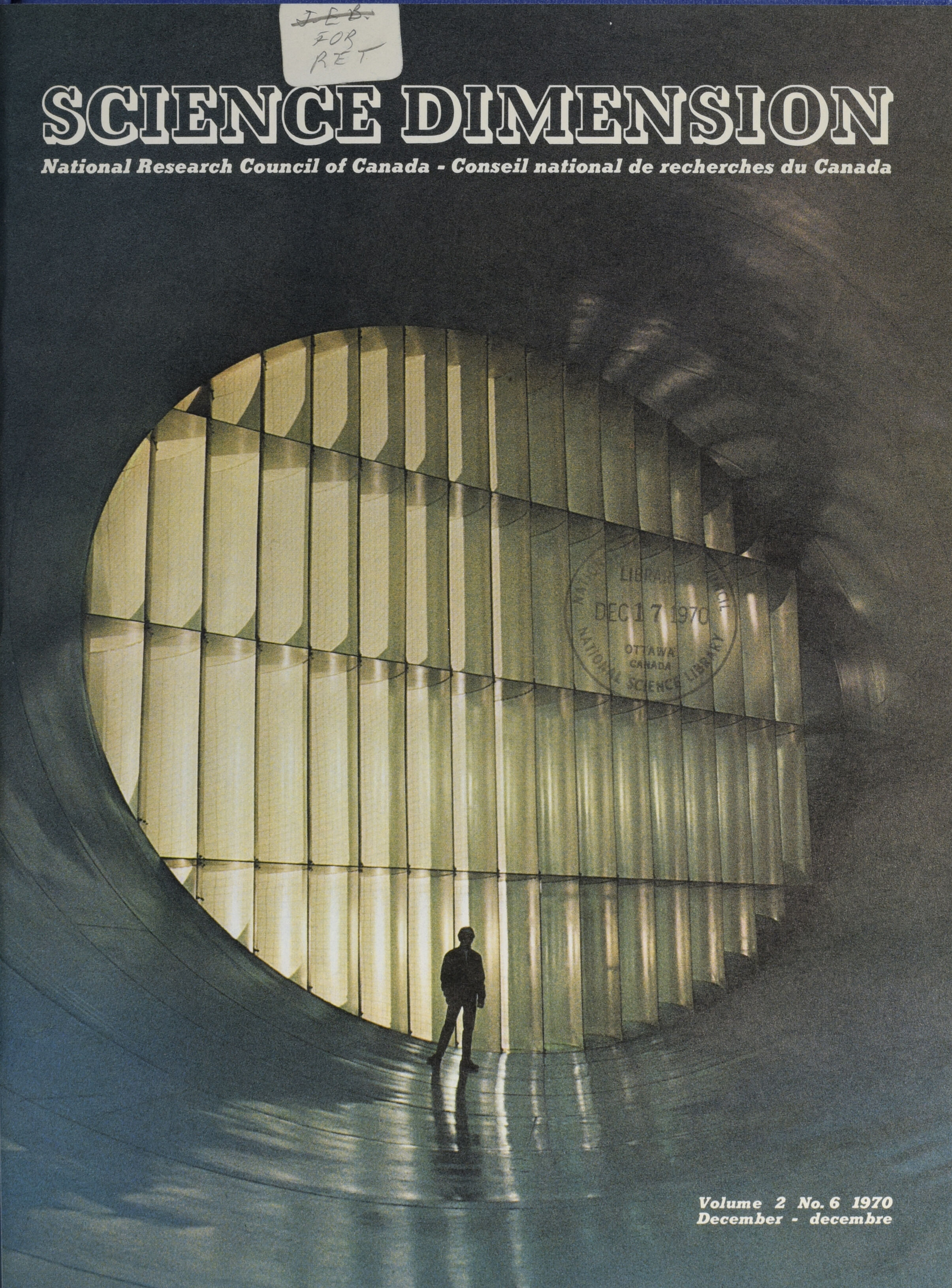
Digitization is often framed as a solution to access. Once materials are online, they become available to researchers, students, and the public. But working with Canadiana’s Science Dimension collection (1969–1984) made something clear: availability alone doesn’t guarantee meaningful access.
As part of my graduate studies in library and information science at the University of Toronto, I have been completing a practicum placement as a Digital Heritage Platform Assistant at CRKN since January, working with the Science Dimension collection to address challenges with issue-level navigation and improve how users access individual articles. While full-text search within Canadiana can surface relevant results, moving from a search result into the broader context of an issue and locating related articles was not always intuitive. For a publication covering topics as diverse as photogrammetry, permafrost, accessibility devices, and building design, this lack of internal structure made sustained exploration challenging.
This raised an important question: what makes a digital collection not just available, but usable?
The role of structure in discovery
For digitized periodicals like Science Dimension, structure plays a critical role in how users engage with content. Tables of contents, article divisions, and internal hierarchies are not simply descriptive; they shape how materials are discovered, interpreted, and reused.
Searching is a powerful entry point, but only one part of the discovery process. Without clear internal structure, users often move through issues page by page or rely on limited metadata to find relevant content, creating friction and obscuring the intellectual organization present in the original print format.
Reintroducing that structure in a digital environment is not always straightforward, but it supports meaningful discovery.
Reconstructing structure through IIIF
As part of CRKN’s digital heritage initiatives, my work focused on enhancing the structure of the Science Dimension collection using the International Image Interoperability Framework (IIIF). Across 94 issues spanning 16 volumes, I worked with IIIF manifests to rebuild article-level tables of contents by creating structured ranges that reflect each issue’s organization.
Working with the Digirati Manifest Editor was both engaging and, at times, challenging. As the tool continues to evolve, I participated in user testing, exploring workflows, and providing feedback. Early on, there was a learning curve in structuring ranges, and I experimented with different approaches to determine what worked most effectively.
One of the more complex aspects of the workflow was managing ranges once created. If an image wasn’t in the correct order and needed to be added to an earlier range, it was not always possible to simply reposition it. In some cases, this required merging and rebuilding ranges, reinforcing the importance of careful review early in the process. Over time, I became more comfortable with the workflow, and it became a rewarding way to engage closely with both the tool and the content.
Each article was represented as its own range within the manifest hierarchy, reintroducing the navigational logic that would have guided readers in print while enabling more granular interaction with digitized content. These updates were validated using the Theseus Viewer to ensure they functioned as intended.
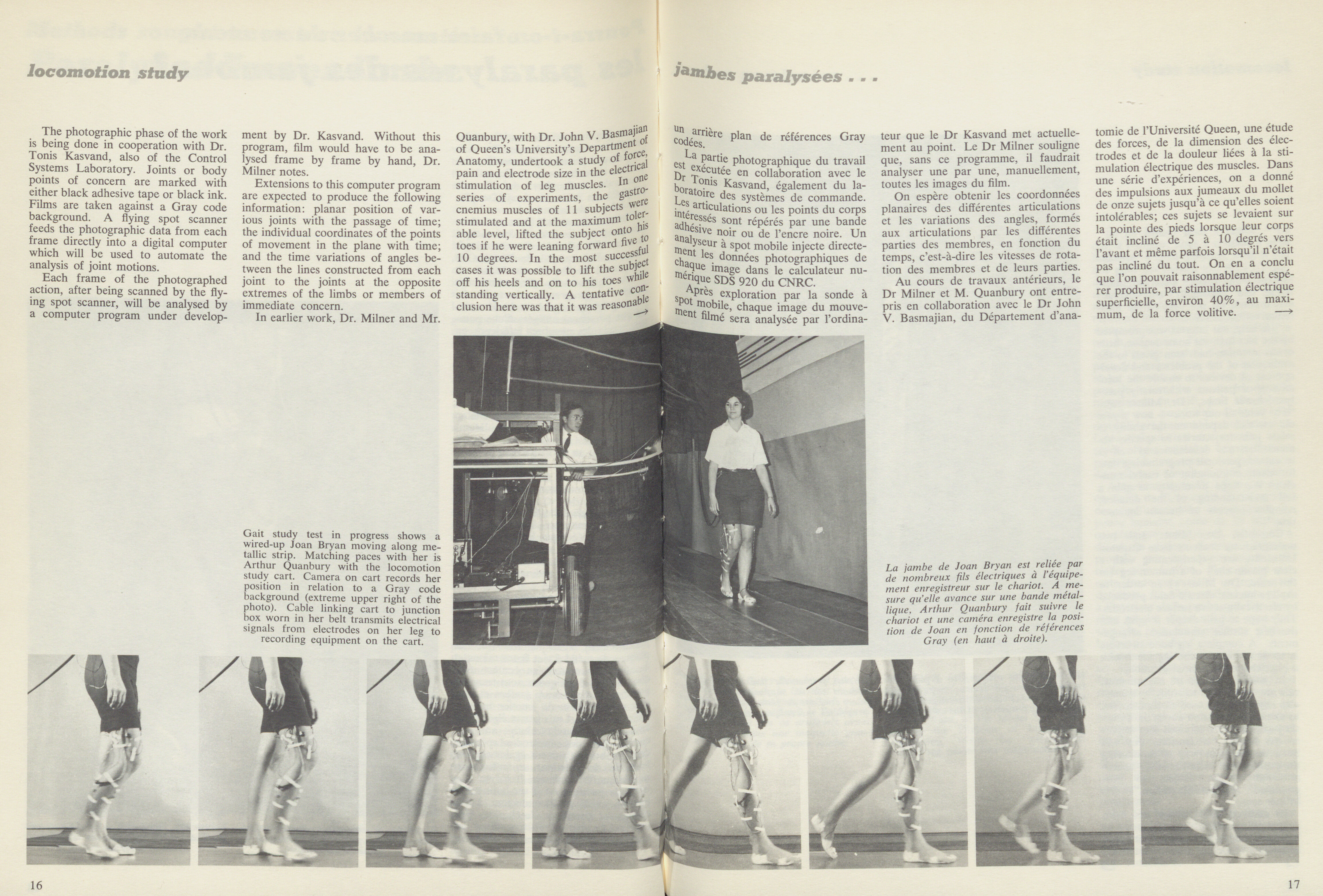
Working across the collection also highlighted how editorial and structural decisions evolve over time. I noticed that the Science Dimension began as a more fully bilingual publication before shifting toward an English-first, French-second format. Translating this into a consistent range structure required careful consideration. In some cases, strict consistency was not possible, and decisions were made to balance standardization with accurately reflecting each issue; for example, including both English and French titles within a single range.
This work was part of a broader, collaborative effort at CRKN to enhance the Canadiana collections. I worked alongside colleagues, including Olivia Georgiou, whose work sought to find evidence of Women in STEM in the Science Dimension collection. While my focus was on creating structure and navigation based on metadata compiled by Olivia, our work contributes to a larger ecosystem of discovery and interpretation.
This process was iterative and detail-oriented, requiring close attention to both the source material and the structure being encoded. While the technical work took place within manifests, the goal was always user-focused: to support more intuitive navigation and engagement. This work also supports interoperability by enabling structured content to be reused across IIIF-compatible tools and platforms.
What changes when structure is restored
Reintroducing article-level structure had a meaningful impact on how the collection can be used.
Users can now:
- Navigate directly to individual articles within an issue
- Move more easily between sections
- Situate search results within the broader context of an issue
- Engage with the collection in a way that reflects its original organization
These changes support both browsing and more targeted research workflows. Instead of treating each issue as a single object, the collection becomes a set of interconnected parts that can be explored, cited, and analyzed in greater detail.
Stewardship, discovery, and digital collections
This work highlights a broader point about digital collections: stewardship extends beyond digitization. It includes the ongoing care and enhancement of collections to ensure they remain usable, discoverable, and meaningful over time.
Metadata and structure are central to this process. They shape how collections are understood and accessed, and they play a key role in enabling interoperability across systems and platforms. Frameworks like IIIF support this by allowing collections to be structured in ways that can be shared, reused, and integrated into different research environments. As others have noted, the value of distinctive digital collections is closely tied to how effectively they support discovery and use, not simply their availability online. Enhancing structure helps activate that potential, enabling collections to function as dynamic research resources.
Looking ahead
Working with the Science Dimension collection reinforced the importance of thinking critically about how digital collections are structured and maintained. As more materials are digitized, attention to organization, navigation, and interoperability will continue to shape how these collections are used.
For those working in digital libraries and cultural heritage contexts, this raises an ongoing question: how can we ensure that the collections we steward are not only accessible, but truly usable?
Megan Belisle (https://orcid.org/0009-0001-2108-0914)
Megan Belisle is a Master of Information. She was a Digital Heritage Platform Assistant with the Canadian Research Knowledge Network (CRKN), where she worked with Canadiana collections to support access and discovery through IIIF and structured metadata.